

What Is a Peptide? Skin Benefits, Types & Complete Guide

A peptide is a short chain of amino acids — these short chains of amino acids are typically between 2 and 50 units — linked by peptide bonds. These tiny molecules act as messengers. They tell cells what to do, like making collagen, fixing tissue, or calming irritation. In skincare, they slip through the outer skin layer. Once inside, they boost collagen, firm the skin, and smooth fine lines.
This full guide covers how they work, the different types, proven benefits, possible side effects, and how to add them to your routine.
This article explains the science behind these compounds, their role in skincare, and how to use them safely. All claims are backed by peer-reviewed research cited in the references below.
What Is a Peptide? At a Glance
In this guide, you will learn:
- What they are and how they differ from proteins
- The four main types used in skincare and therapy
- Skin benefits — collagen, firmness, hydration
- How they compare to retinoids, vitamin C, and AHAs
- How to use them — topical, injectable, and oral
- Safety and side effects, plus who should avoid them
What Do They Do? The Science Explained
To understand these compounds, start with basic biochemistry. Every protein in your body — from skin collagen to blood hemoglobin — is built from amino acids, which serve as the fundamental building blocks of proteins. When a small number of these building blocks (2 to 50) link together, they form a peptide, often referred to as oligopeptides in scientific contexts. Once a chain grows past about 50 amino acids, undergoes post-translationally modification, and folds into a 3D shape, it becomes a protein.
These molecules work as natural messengers. They travel through the body and bind to receptors on cell surfaces. This triggers targeted responses. For example, certain ones reach fibroblast cells in the skin and signal them to ramp up collagen production. Others, such as antimicrobial peptides, carry trace minerals to wound sites, relax facial muscles to smooth lines, or calm immune responses.
What makes them so useful in skincare is their small size. Larger proteins cannot penetrate the skin barrier. But these tiny chains are compact enough to pass through the epidermis and reach the deeper dermal layers. There, they can influence protein and peptide synthesis and change how cells behave. This cell-level communication is what sets them apart from many other skincare actives.
How They Work at the Cellular Level
When you apply a serum to your skin, the molecules pass through the stratum corneum — the outermost layer of dead cells — and enter the living layers beneath. There, they bind to cell-surface receptors. This is called receptor-ligand binding. The binding starts signaling pathways inside the cell, often involving processes like phosphorylation. These pathways tell the cell to make new collagen, produce elastin, or release anti-inflammatory compounds.
Different sequences trigger different responses. That is why researchers have developed dozens of specialized synthetic peptides. For instance, palmitoyl pentapeptide-4 (Matrixyl™) mimics a collagen fragment. It "tricks" fibroblasts into thinking collagen levels are low, so they produce more. Meanwhile, GHK-Cu delivers copper ions directly to cells, supporting enzymes that repair tissue.
Peptides vs. Polypeptides vs. Proteins
Many people wonder how peptides differ from a specific peptide hormone, polypeptides, and proteins. The main difference is size:
Table 1: Key Differences at a Glance
| Feature | Peptide | Polypeptide | Protein |
|---|---|---|---|
| Amino Acids | 2–50 | 50–100+ | 100+ (often thousands) |
| Structure | Linear chain | Longer chain, may fold | Complex 3D folded shape |
| Skin Penetration | High | Limited | Very low — too large |
| Main Role | Signaling & communication | Intermediate building blocks | Structural & functional |
| Examples | Matrixyl, GHK-Cu, Argireline | Insulin, glucagon | Collagen, keratin, elastin |
Think of it this way: peptides are small messengers, polypeptides are medium-length chains (often hormones), and proteins are the large structural molecules that the messengers help build. When you use skincare products containing these compounds, you are sending targeted instructions to your cells. The goal? Build more of the proteins — like collagen and elastin — that keep skin firm and youthful.
Types: A Complete List
Not all of these compounds work the same way. Scientists group them into four main categories based on how they act. Knowing the types helps you pick the right products for your needs.
1. Signal Peptides
Signal peptides are the most common type in anti-aging skincare. They send direct messages to fibroblasts — the cells that make collagen, elastin, and other structural proteins. The message is simple: "produce more collagen now." This triggers the cells to build more of the proteins that keep skin firm and elastic.
Popular options include:
- Palmitoyl pentapeptide-4 (Matrixyl™) — mimics collagen fragments to boost production; one of the most studied compounds in skincare
- Palmitoyl tripeptide-1 — stimulates collagen types I, III, and fibronectin
- Palmitoyl tripeptide-5 — activates TGF-ß to promote collagen growth
2. Carrier Peptides
Carrier peptides act like delivery trucks. They transport essential trace minerals — especially copper — to cells that need them for repair and regrowth. Copper peptides are the best-known example. They pair a peptide sequence with copper ions to support enzymes that heal wounds and remodel tissue.
Key carriers:
- GHK-Cu (copper tripeptide-1) — boosts collagen, elastin, and glycosaminoglycans; promotes wound healing and reduces inflammation
- Manganese tripeptide-1 — delivers manganese to support antioxidant enzymes
3. Enzyme-Inhibitor Peptides
Instead of building new collagen, these protect what you already have. They block enzymes called matrix metalloproteinases (MMPs) — especially collagenase — that break down collagen as you age. By slowing this breakdown, they help maintain skin structure and prevent sagging.
Common options:
- Soy peptides — inhibit protease enzymes that degrade skin proteins
- Rice peptides — block MMP activity and support the skin barrier
4. Neurotransmitter-Inhibitor Peptides
Often called "Botox-like" peptides, these interfere with the chemical signals that make facial muscles contract. By reducing muscle movement, they soften dynamic wrinkles — the lines from repeated smiling, frowning, or squinting. They are less potent than injectable neurotoxins but offer a non-invasive alternative for smoothing expression lines.
Top options:
- Acetyl hexapeptide-3 (Argireline) — blocks SNARE complex formation to reduce muscle contraction
- SNAP-8 (acetyl octapeptide-3) — a stronger version of Argireline with better wrinkle-smoothing effects
- Pentapeptide-18 (Leuphasyl) — mimics enkephalins to reduce neurotransmitter release
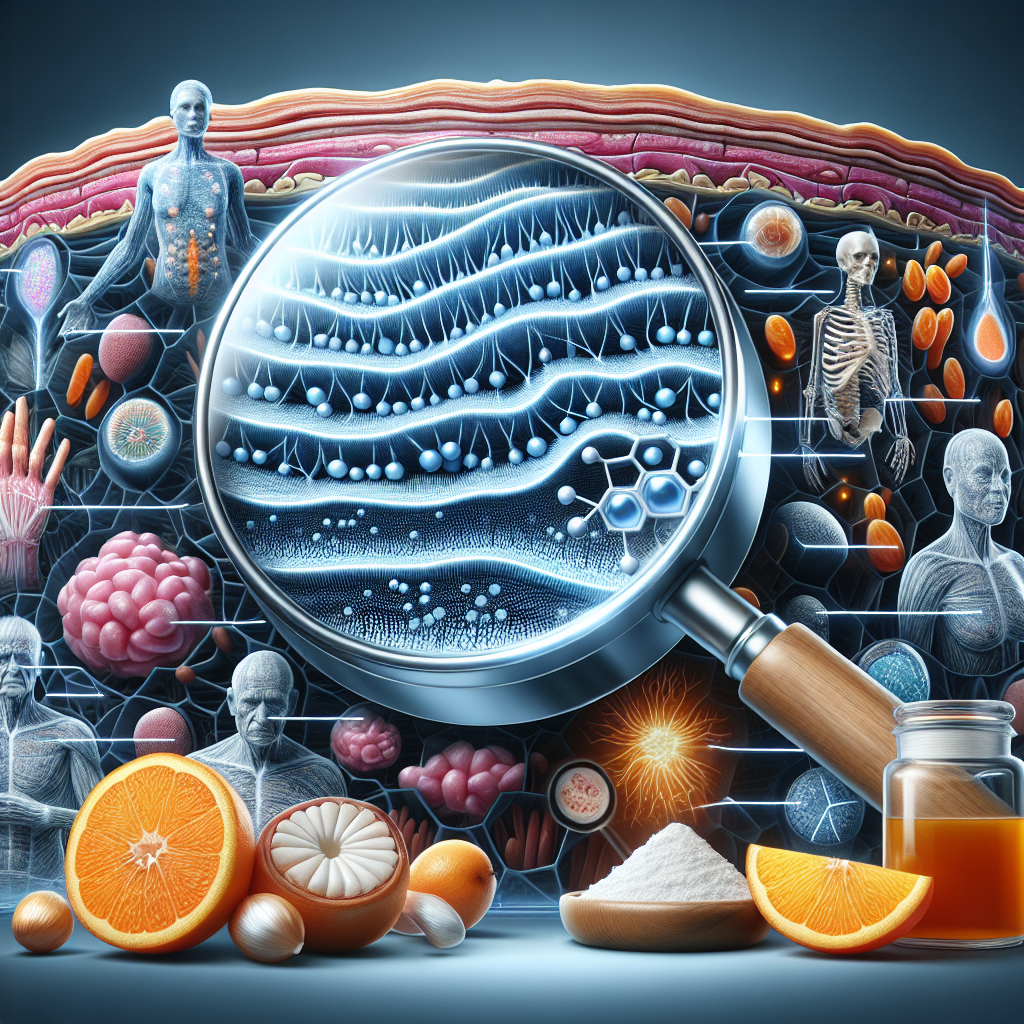
Types Summary
- Signal peptides (Matrixyl, palmitoyl tripeptide-1) — boost collagen and elastin
- Carrier peptides (GHK-Cu) — deliver minerals like copper for tissue repair
- Enzyme-inhibitor types — protect existing collagen from breaking down
- Neurotransmitter-inhibitor types (Argireline, SNAP-8) — relax muscles to smooth lines
Skin Benefits Explained
These compounds offer a range of skin benefits. They address nearly every aspect of skin aging. Here is what research shows about the specific ways they help your skin.
Collagen Production and Anti-Aging
Collagen is the most plentiful protein in your skin. It forms the structural scaffolding that keeps skin firm, plump, and resilient. After age 25, collagen output drops about 1% per year. This loss speeds up after menopause. The result? Thinner skin, fine lines, wrinkles, and volume loss.
Signal peptides tackle this decline head-on by stimulating collagen regrowth. Studies on palmitoyl pentapeptide-4 (Matrixyl) show clear increases in collagen types I, III, and IV after 8–12 weeks of use. A 2023 study in the Journal of Cosmetic Dermatology found that a 4% Matrixyl formula cut wrinkle depth by 15–20% compared to placebo.
Skin Firmness and Elasticity
Firmness depends on collagen, elastin, and hyaluronic acid working together in the dermal matrix. These compounds boost all three. Copper peptides (GHK-Cu) stand out because they raise collagen and elastin at the same time. They also promote glycosaminoglycans — molecules that attract and hold moisture in the skin.
This triple action means peptide-based skincare can improve wrinkle depth, texture, bounce, and resilience all at once. Over time, regular use creates a visibly firmer, tighter look — no invasive procedures needed.
Hydration and Barrier Repair
Beyond structural proteins, these molecules support your skin's moisture barrier. Certain ones boost ceramides and natural moisturizing factors (NMFs) that prevent water loss. A stronger barrier means better hydration, less irritation, and better defense against pollution and UV rays.

vs. Other Anti-Aging Ingredients
The anti-aging market has many active ingredients. Each has strengths and limits. Knowing how these compounds stack up against other actives helps you build a balanced routine.
Table 2: Peptides vs. Retinoids vs. Vitamin C vs. AHAs
| Feature | Peptides | Retinoids | Vitamin C | AHAs |
|---|---|---|---|---|
| Main Action | Signal collagen production | Speed cell turnover | Antioxidant protection | Exfoliate dead cells |
| Collagen Boost | Direct signaling | Indirect via cell renewal | Supports synthesis | Minimal |
| Irritation Risk | Very low | Moderate to high | Low to moderate | Moderate |
| Sensitive Skin | Excellent | Often problematic | Generally OK | Use with caution |
| Results Timeline | 4–12 weeks | 4–12 weeks | 4–8 weeks | 2–4 weeks |
| Sun Sensitivity | None | Increased | None | Increased |
| Best For | Firmness, repair, all skin types | Wrinkles, acne, texture | Brightening, protection | Texture, tone |
The biggest advantage of these compounds? They are gentle yet effective. Unlike retinoids, which can cause peeling, redness, and sun sensitivity, they rarely trigger irritation. This makes them ideal for sensitive skin. It also means you can pair them with other actives. Peptides and retinoids actually work well together — much like how creatine supports muscle energy, peptides supply building blocks for collagen while retinoids speed up cell turnover.
Many dermatologists suggest this routine: use them with vitamin C in the morning (antioxidant protection plus collagen support) and with retinoids at night (maximum anti-aging benefit). This layered approach taps multiple anti-aging mechanisms while keeping irritation low.
How to Use Them: Methods & Routine
There are three main ways to use these compounds: topically, by injection, or orally. Each method works differently. Here is a breakdown of how to use them well.
Topical Skincare Routine (Step-by-Step)
For most people, topical use is the easiest and most accessible way to see results. Follow this routine for best outcomes:
-
1Cleanse
Use a gentle, pH-balanced cleanser. Avoid harsh sulfates that can strip the barrier and reduce absorption.
-
2Tone (Optional)
Apply a mild, hydrating toner to balance pH. Skip highly acidic toners (pH below 3.5) before use — strong acid can break down the molecules.
-
3Apply Serum
While skin is still slightly damp, press in 3–4 drops of serum. Damp skin absorbs up to 10x more than dry skin. Press gently — do not rub.
-
4Moisturize
Follow with a moisturizer that has ceramides, hyaluronic acid, or niacinamide. This locks in the actives and supports your barrier.
-
5Sunscreen (AM Only)
Finish with broad-spectrum SPF 30+. UV rays break down collagen, which works against the benefits you just applied.
Consistency is key. These changes happen at the cellular level. You need 4 to 12 weeks of twice-daily use to see firmer skin, smoother texture, and reduced wrinkles.
Injections and Therapy
Peptide therapy via subcutaneous injection is a growing area of regenerative medicine and sports medicine. Injections bypass the skin barrier entirely. They deliver active ingredients, such as growth hormone secretagogues, straight into the bloodstream or target tissues. Common uses include immune support (Thymosin Alpha-1), growth hormone stimulation, weight loss, muscle growth, muscle recovery, fat loss, and anti-aging protocols.
Injections should only be given under the guidance of a qualified healthcare provider. Proper dosing, sterile technique, and medical monitoring are essential for safety and results.
Oral Supplements
Oral peptide supplements — especially collagen peptides — have become very popular. Hydrolyzed collagen is broken into small fragments that survive digestion and get absorbed through the gut. A 2019 study in Nutrients found that 2.5–10 grams of collagen peptides daily for 8 weeks significantly improved skin elasticity and hydration versus placebo.
Are They Safe? Side Effects & Risks
Safety is a top concern whether you are considering these for skincare, therapy, or general wellness. The good news: topical forms are generally well-tolerated. But there are important differences between topical and injectable options.
Topical Safety
Topical formulas have an excellent safety record. Because they mimic compounds already found in the body, allergic reactions and irritation are rare. Most clinical trials report side effect rates similar to placebo. They are safe for nearly all skin types, including sensitive and rosacea-prone skin.
Mild side effects may include:
- Temporary tingling or warmth on application
- Mild redness in very sensitive people (fades within minutes)
- Rare reactions to carrier ingredients — not the active compounds themselves
Injection Side Effects
Injectable therapy carries more risk because the compounds enter the whole body. Common side effects include:
-
1Injection Site Reactions
Redness, swelling, and itching at the site. Most resolve within 24–48 hours.
-
2Systemic Effects
Headaches, dizziness, water retention, or bloating — especially during the first weeks.
-
3Metabolic Changes
Some compounds, such as semaglutide found in Ozempic and Wegovy for type 2 diabetes, may affect blood sugar, blood pressure, or cause fatigue. These can impact heart health. Monitoring during therapy is wise.
-
4Rare Serious Effects
Serious problems are uncommon but possible, especially with wrong dosing or unregulated products. Medical supervision is a must.
Who Should Avoid Them?
Topical forms are safe for most people, but some groups should be cautious:
- Pregnant or nursing women — limited safety data for injections; topicals are likely safe but check with your OB-GYN
- People with active skin infections — wait until the infection clears before applying products
- Anyone with known allergies — rare but possible; patch test new products first
- Those on immunosuppressive drugs — some compounds affect immune function; talk to your doctor
Never self-inject without proper medical guidance. Always source from reputable, third-party tested suppliers. Consult a qualified healthcare provider before starting any therapy protocol.
This article is for informational and educational purposes only. It is not intended to diagnose, treat, cure, or prevent any disease. Products discussed are intended for research and educational purposes. Always consult a qualified healthcare professional before making health decisions or starting any new supplement or therapy.
Frequently Asked Questions
Here are the most common questions, answered based on peer-reviewed research and established science.
They act as signaling molecules in the body. They communicate with cells to trigger specific responses — like making collagen, repairing tissue, reducing inflammation, or regulating hormones. In skincare, they tell fibroblasts to produce more collagen and elastin, which improves firmness and smooths wrinkles.
In skincare, they are bioactive amino acid chains formulated into serums, creams, and treatments. They penetrate the skin barrier and signal cells to boost collagen, improve elasticity, and repair damage. Common examples include palmitoyl pentapeptide-4 (Matrixyl), copper peptides (GHK-Cu), and acetyl hexapeptide-3 (Argireline).
They boost collagen and elastin, strengthen the skin barrier, improve hydration, reduce fine lines and wrinkles, even out tone, and support wound healing. Signal types boost structural proteins. Copper types aid tissue repair. Neurotransmitter types relax expression lines.
They work as natural messengers. Applied topically or given by injection, they bind to receptors on cell surfaces and trigger targeted responses. Signal peptides mimic collagen fragments, prompting cells to make more collagen. Carrier peptides deliver trace minerals like copper to support repair enzymes.
Topical versions are generally safe for most skin types, including sensitive skin. They rarely cause irritation — unlike retinoids or acids. Injections should only be used under medical supervision. If you are pregnant, nursing, or have health conditions, check with a doctor first.
Topical forms rarely cause issues beyond mild tingling or brief redness. Injections may cause site reactions, headaches, water retention, or blood sugar changes. Serious effects are rare but possible. Start with lower doses and consult a provider before injectable use.
Three ways: topical (serums, creams), by injection, or orally (capsules, powders). For skincare, apply serum to clean, slightly damp skin twice daily before moisturizer. Injections need medical guidance for dosing. Oral collagen supplements are taken daily with water — typically 5–15 grams per serving.
Size. Peptides have 2 to 50 amino acids. Proteins have 50 or more, folded into complex 3D shapes. Peptides are smaller, absorb more easily through skin, and mainly act as messengers. Proteins like collagen and keratin serve structural roles in the body.
Topical skincare products are legal and sold over the counter. Research compounds are legal to buy for lab use. Some injectable versions require a prescription. FDA rules for peptide drugs vary by intended use, and regulations continue to change as of 2026.
Yes. Topical serums, creams, and moisturizers are available at pharmacies, beauty stores, and online — no prescription needed. Oral collagen supplements are also widely sold. Injectable versions and certain therapeutic compounds may need a prescription from a licensed provider.
What to Remember
- A peptide is a short chain of 2–50 amino acids that signals cells to perform tasks like making collagen
- Four main types exist: signal (boost collagen), carrier (deliver minerals), enzyme-inhibitor (protect collagen), and neurotransmitter-inhibitor (relax muscles)
- Skin benefits include more collagen and elastin, better firmness, improved hydration, and fewer fine lines — with minimal irritation
- Gentler than retinoids and pair well with vitamin C and AHAs for a combined anti-aging approach
- Apply serum to clean, damp skin twice daily for 4–12 weeks to see visible firmness and wrinkle improvements
- Topical forms are safe for most people; injections need medical supervision and proper dosing
- Always consult a healthcare professional before starting injectable therapy

Explore Research-Grade Peptides
PrymaLab offers pharma-grade compounds for research purposes, including GHK-Cu, Thymosin Alpha-1, BPC-157, and more. All products are third-party tested for purity and potency.
Browse Products ?References & Further Reading
The following peer-reviewed sources support this article. All citations link to the original publications.
- Schagen, S.K. (2017). "Topical Peptide Treatments with Effective Anti-Aging Results." Cosmetics, 4(2), 16. doi:10.3390/cosmetics4020016
- Pickart, L., Vasquez-Soltero, J.M., & Margolina, A. (2015). "GHK Peptide as a Natural Modulator of Multiple Cellular Pathways in Skin Regeneration." BioMed Research International, 2015, 648108. doi:10.1155/2015/648108
- Choi, F.D., Sung, C.T., Juhasz, M.L., & Mesinkovsk, N.A. (2019). "Oral Collagen Supplementation: A Systematic Review of Dermatological Applications." Journal of Drugs in Dermatology, 18(1), 9–16. PMID: 30681787
- Gorouhi, F. & Maibach, H.I. (2009). "Role of Topical Peptides in Preventing or Treating Aged Skin." International Journal of Cosmetic Science, 31(5), 327–345. doi:10.1111/j.1468-2494.2009.00499.x
- Bolke, L., Schlippe, G., Gerß, J., & Voss, W. (2019). "A Collagen Supplement Improves Skin Hydration, Elasticity, Roughness, and Density." Nutrients, 11(10), 2494. doi:10.3390/nu11102494
- Errante, F., Ledwon, P., Bhatt, T.K., et al. (2023). "Cosmeceutical Peptides in the Framework of Sustainable Chemistry." International Journal of Molecular Sciences, 24(4), 3353. doi:10.3390/ijms24043353
- Lima, T.N. & Pedriali Moraes, C.A. (2018). "Bioactive Peptides: Applications and Relevance for Cosmeceuticals." Cosmetics, 5(1), 21. doi:10.3390/cosmetics5010021